— Methodology
The Framework.
Kaltevo's coaching approach is structured around a documented framework. The principles, standards, and processes that govern programme design, session delivery, and progress evaluation are described here.

Foundational Principles
How Kaltevo Approaches Coaching
The Kaltevo methodology rests on four principles that are applied consistently across every coaching engagement, regardless of the individual's experience level or training objective.
The first principle is assessment before programming. No training programme begins without a baseline evaluation of movement quality and current capacity. The second is structure before intensity — establishing movement competency at manageable loads before progressive overload is applied.
The third principle is measurability. Every training variable — load, volume, rest period, session density — is recorded and reviewed. The fourth is adaptability: programmes are revised in response to data, not adherence to a predetermined plan.
Assessment First
Every coaching engagement begins with a structured evaluation. Programming follows assessment findings — not the reverse.
Structure Before Intensity
Movement quality is established before load is increased. Technique standards are non-negotiable entry points to each progression phase.
Measurable Progress
Training variables are recorded systematically. Progress evaluation is based on objective data reviewed at each block transition.
Data-Driven Adaptation
Programme adjustments are made in response to recorded performance data, not fixed timelines or generalised templates.
Periodisation
How Training Blocks Are Structured
Kaltevo programmes use a linear periodisation model as the primary structural framework, modified by undulating elements where individual response data supports it. Training blocks are typically 8 to 12 weeks in duration, with each block targeting a defined adaptation outcome.
Within each block, weekly microcycles manage training load distribution — alternating between higher-intensity and lower-intensity sessions to support recovery and manage accumulated fatigue. A deload week is scheduled at the end of each block to allow physiological restoration before the subsequent phase begins.
Foundation
Weeks 1–3. Movement pattern reinforcement, technique refinement, low-to-moderate load. Volume is established; intensity is restrained.
Accumulation
Weeks 4–6. Volume increases progressively. Load increments applied weekly. Accessory work volume peaks in this phase.
Intensification
Weeks 7–9. Volume reduces as intensity increases. Primary lifts approach near-maximal loads. Rest periods extend.
Deload
Week 10+. Significant volume reduction. Load maintained at moderate level. Mobility and recovery work prioritised.
Movement Standards
Technical Criteria for Progression
Each fundamental movement pattern has a defined technical standard at Kaltevo. Progression to the next phase — or the addition of load — is conditional on meeting that standard, not on the passage of time.
Technical standards are assessed using video review, coach observation, and where applicable, a set of objective criteria such as range of motion parameters and bilateral symmetry thresholds. Assessments are documented in the session log.
This standard-gated approach slows some individuals' initial progression but produces more durable strength outcomes and reduces the incidence of technique breakdown under fatigue — a pattern consistently observed in programmes that prioritise load increments over movement quality.
Squat Pattern
Standard AHip crease below knee at full depth, neutral spine maintained throughout, knee tracking aligned with second toe, heel contact maintained at all times.
Hip Hinge
Standard BNeutral lumbar through full range, controlled eccentric, hip drive initiates concentric phase, no lumbar rounding at terminal range.
Horizontal Push
Standard CScapular retraction and depression maintained, bar path perpendicular to torso, no excessive arch, full range of motion through shoulder joint.
Vertical Pull
Standard DFull hang at start, scapular depression initiates pull, chin clears bar with neutral head position, controlled return to full hang without kipping.

Documentation
Progress Tracking Standards
Every Kaltevo session is documented. Session logs record the following data points: exercises performed, sets and repetitions completed, loads used, rest periods observed, and technique notes made during the session.
At the conclusion of each training block, a block review document is compiled summarising load progression across primary movements, movement quality changes noted during the block, and subjective recovery indicators collected at each session.
Block reviews are shared with the individual and used as the primary basis for designing the subsequent training block. The data trail provides a clear record of adaptation over time and allows the coach to identify patterns that would not be visible from individual session logs alone.
Professional Standards
Accreditation & Ongoing Development
Kaltevo operates within the framework of accredited coaching practice. The lead coach holds accreditation through recognised European fitness and strength coaching bodies, with current first-aid certification and liability coverage maintained annually.
Professional development is continuous. The coach participates in structured continuing education through workshops, certified courses, and engagement with published research in exercise science, nutrition, and coaching practice. Summary notes from relevant courses and workshops are maintained as part of the studio's professional development record.
Accredited Programme
Lead coach accreditation maintained through a recognised European fitness and strength coaching body. Certification documents available on request.
Insured Practice
Professional liability insurance is maintained continuously. All equipment is regularly inspected and maintained to current safety standards.
Continuing Education
Ongoing professional development through certified courses, workshops, and engagement with published exercise science research. Development records are maintained on file.
Equipment & Environment
Studio Standards & Equipment Sourcing
Kaltevo selects equipment from suppliers with documented manufacturing standards and verifiable load tolerances. Barbells and calibrated plates are sourced from European manufacturers with established quality records in competitive strength sport.
All equipment is inspected on a monthly schedule. Any item showing signs of wear that could affect safe use is removed from service immediately. Inspection records are maintained in the studio log.
The training environment is maintained to consistent standards: floor space cleared between sessions, equipment returned to designated storage, ambient temperature within recommended exercise range, and adequate ventilation throughout all session hours.
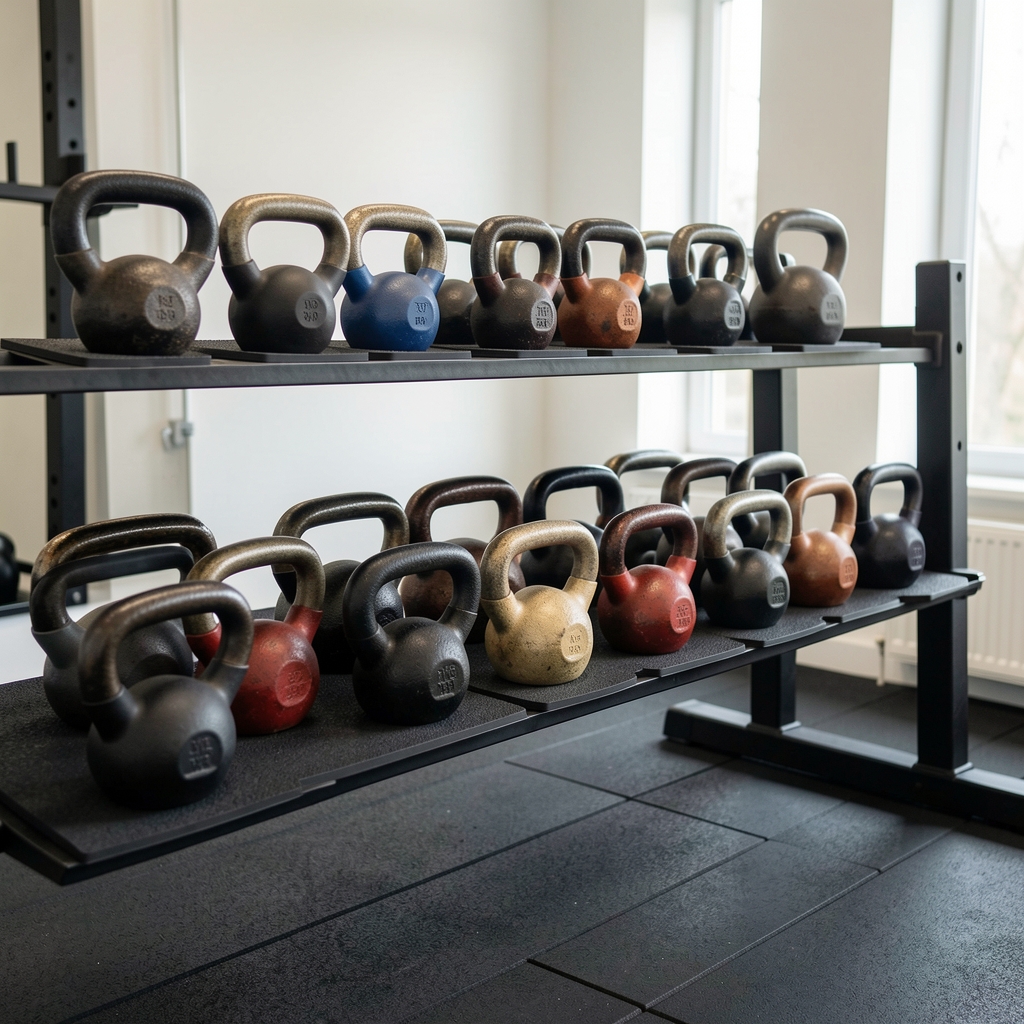
Olympic standard 20 kg and 15 kg bars, knurling maintained monthly
Calibrated bumper and iron plates from 1.25 kg to 25 kg, load-verified annually
Rowing ergometers and assault bikes; serviced per manufacturer schedule
20 mm rubber matting across full studio floor area; replaced on a four-year cycle
Evidence Base
Research-Informed Practice
Kaltevo's programming draws on published research in exercise physiology, strength and conditioning, and nutritional science. Programme structures align with findings from peer-reviewed literature on periodisation models, movement screening protocols, and recovery optimisation.
The intent is not to replicate academic protocols wholesale, but to apply the principles that have demonstrated consistent relevance across diverse populations in applied coaching contexts. Where research findings conflict or remain inconclusive, conservative estimates are used and individual response data takes precedence over population averages.
Kaltevo is an independent coaching practice and is not affiliated with any governmental or institutional body. The content and programming provided are not affiliated with any regulatory authority.
The periodisation framework draws primarily on linear and daily undulating periodisation models documented in strength and conditioning literature. Block periodisation elements are incorporated for longer training commitments where data shows responsiveness to higher-phase variation.
Technical standards are developed from established functional movement screening frameworks, modified based on observed outcomes across the coaching practice. Standards are reviewed periodically and updated where newer research or coaching experience warrants revision.
Nutrition guidance is reviewed annually against current published literature in sports nutrition and nutritional science. Recommendations are updated when sufficient evidence supports a change in best practice. Guidance is aligned with the position statements of recognised sports nutrition bodies where available.
Yes. For individuals over 50, programme design accounts for age-related changes in recovery rate, connective tissue resilience, and mobility range. Volume and intensity progressions are moderated, and recovery periods between high-load sessions are extended relative to younger individuals on comparable training objectives.
See the Framework in Practice
The initial consultation provides a direct demonstration of the assessment and planning process described in this framework.