— Services
The Range.
A structured portfolio of coaching services for individuals and small groups. Each programme is tailored to current capacity and defined performance objectives.
One-to-One Coaching
Individual Training Sessions
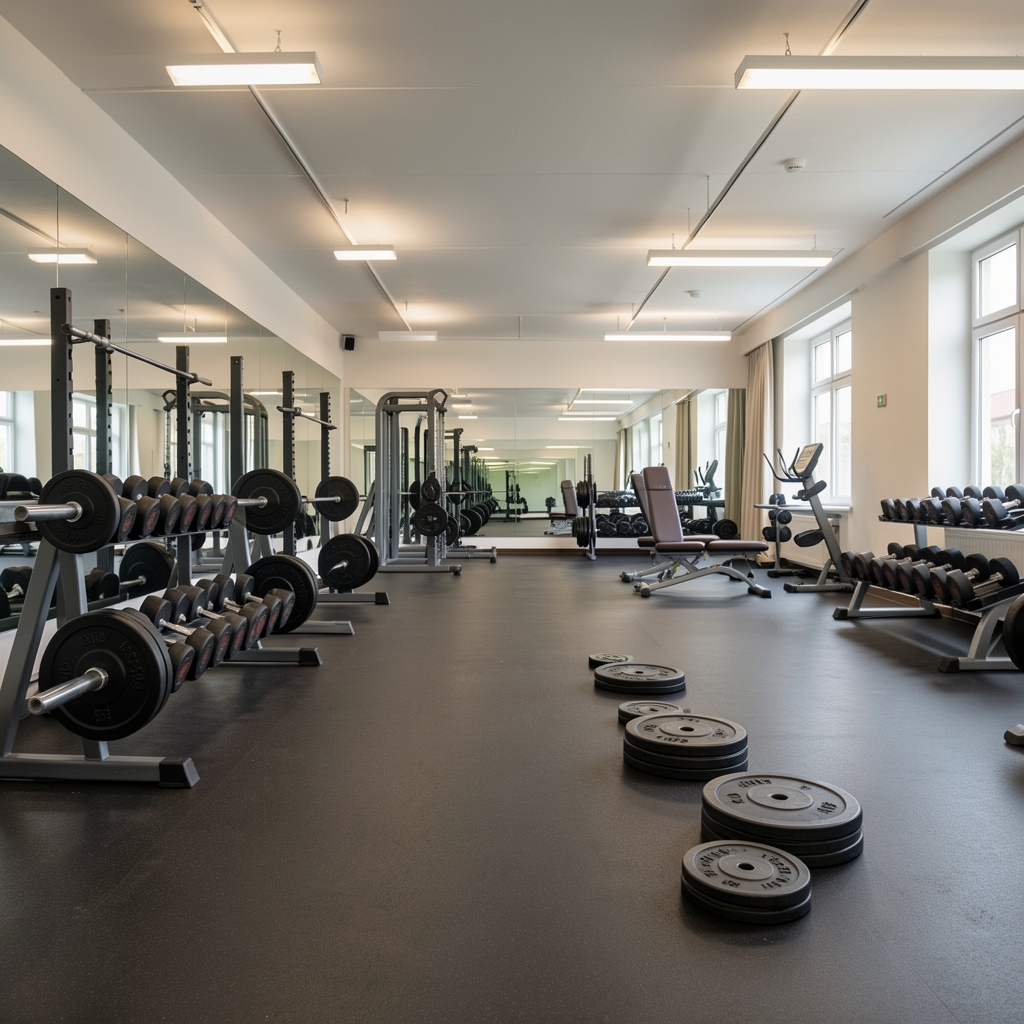
One-to-one sessions form the core of Kaltevo programming. Each 60-minute session follows a structured format: warm-up and mobility preparation, primary strength or conditioning work, accessory movement patterns, and active recovery sequences.
Programming is adjusted weekly based on session feedback, load progression data, and observable recovery indicators. Technique adjustments are made in real time with verbal cues and positional corrections.
Sessions are scheduled on a recurring basis — typically two to four times per week — with the flexibility to adjust frequency as training blocks evolve.

Strength Development
Periodised Strength Programmes
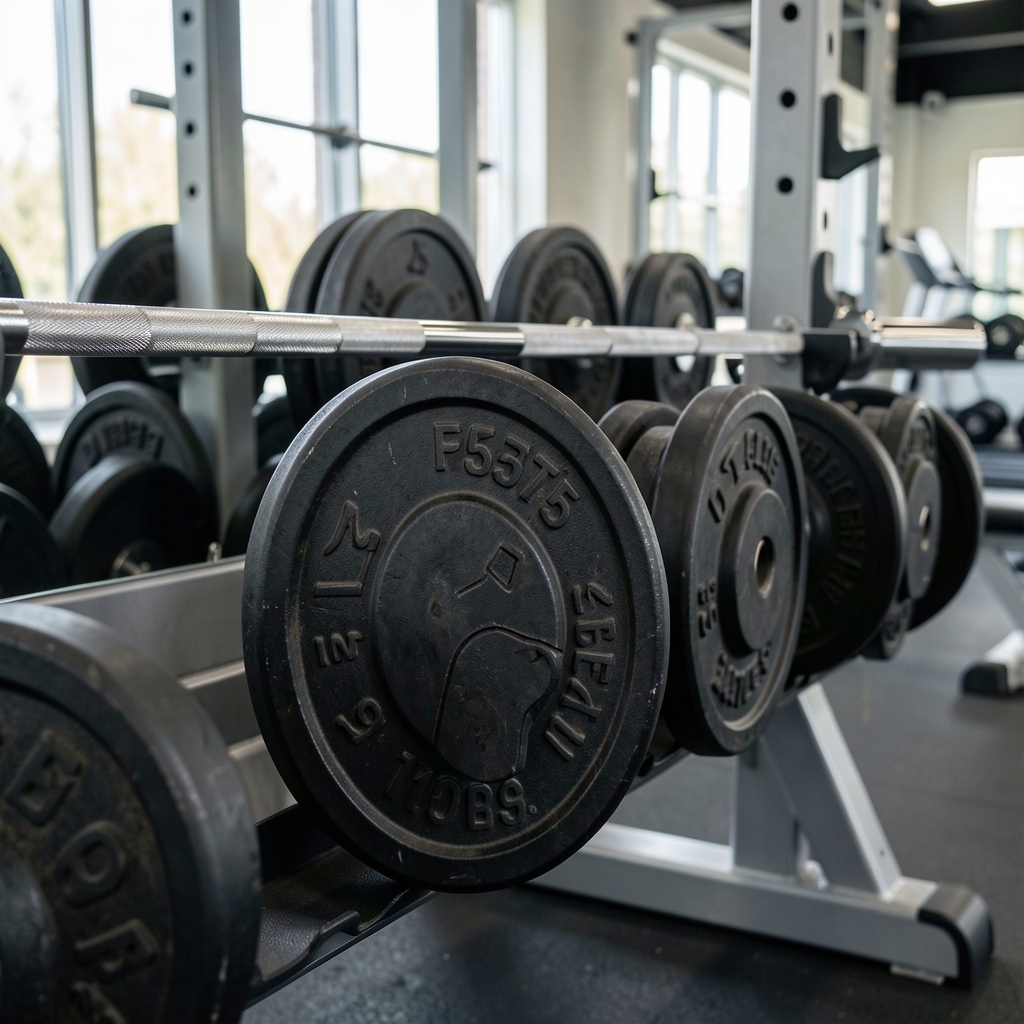
Strength programmes at Kaltevo follow a periodised structure, dividing training into distinct phases that progress from foundational movement quality through to higher-intensity strength expression.
Each programme block spans 8 to 12 weeks and is built around compound movement patterns: hip hinge, squat, horizontal and vertical push and pull. Accessory work addresses individual weaknesses and maintains structural balance.
Load increments are programmed using percentage-based or RPE-driven methods, depending on training phase and individual responsiveness. All loading decisions are informed by session performance data.
Assessment
Movement Screening
A systematic functional assessment conducted at the start of each new training relationship and repeated at 12-week intervals. The protocol evaluates joint mobility, movement quality across fundamental patterns, and bilateral asymmetry.
Screening results inform initial exercise selection, identify areas requiring targeted mobility work, and provide a documented baseline against which future assessments can be compared.
- Overhead squat pattern analysis
- Hip hinge mechanics evaluation
- Single-leg stability assessment
- Shoulder mobility and thoracic rotation
- Core control and anterior chain assessment
Measurement
Body Composition Assessment
Body composition assessments are conducted at the start of each training block and upon request. Data collected includes anthropometric measurements and body weight tracking, providing context for programme adjustments and goal-setting conversations.
Composition data is reviewed alongside performance metrics rather than in isolation — the aim is to understand how body composition changes correspond to shifts in strength capacity and conditioning output.
- Circumference measurements
- Body weight tracking with trend analysis
- Skinfold assessment (where applicable)
- Integration with training performance data
- Block-by-block comparative review
Collective Format
Group Training
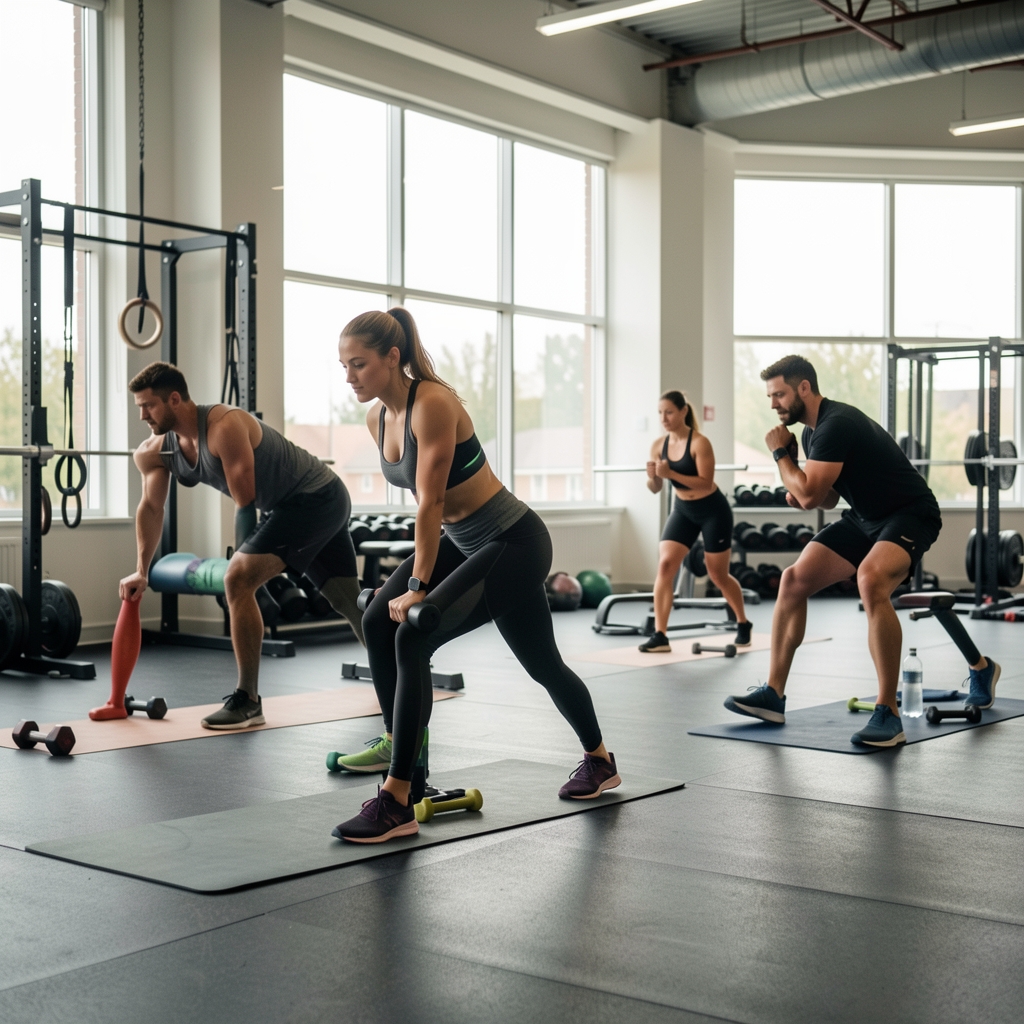
Small-group sessions accommodate two to six participants working toward broadly compatible conditioning objectives. Sessions are structured with shared programming and individual scaling to account for varying capacity levels within the group.
Group training operates on a fixed weekly timetable. Current schedule includes morning and early evening slots on weekdays. Session format rotates across conditioning, strength circuit, and mobility-focused blocks over a four-week cycle.

Cardiovascular Development
Endurance Coaching
Endurance programming addresses aerobic base development, interval-based work capacity expansion, and recovery session structuring. Programmes are designed for individuals integrating cardiovascular work with an existing strength training schedule.
Heart rate zone training, run-pace prescriptions, and rowing or cycling intervals are adapted to individual aerobic capacity benchmarks. Endurance blocks are periodised alongside strength programming to manage total training load.
Supplementary Work
Flexibility, Mobility & Posture
Supplementary programming addressing range of motion, joint mobility, and postural alignment. These elements are integrated within primary training blocks or delivered as standalone sessions depending on individual needs.
Flexibility Training
Static and dynamic stretching routines assigned for targeted muscle groups. Flexibility programming is based on movement screening findings and progresses over a 6-week cycle.
Mobility Work
Active joint mobilisation drills targeting hips, thoracic spine, ankles, and shoulders. Mobility sequences are incorporated into every session warm-up and are also assigned for independent daily practice.
Posture Correction
Targeted corrective exercise sequences addressing common postural patterns: anterior pelvic tilt, upper cross syndrome, and forward head posture. Corrective work is embedded within standard programming.
Active Recovery
Structured low-intensity sessions on rest days: light movement flows, breathwork protocols, and parasympathetic activation techniques. Recovery sessions are programmed within the weekly training schedule.
Nutritional Support
Nutrition & Lifestyle Guidance
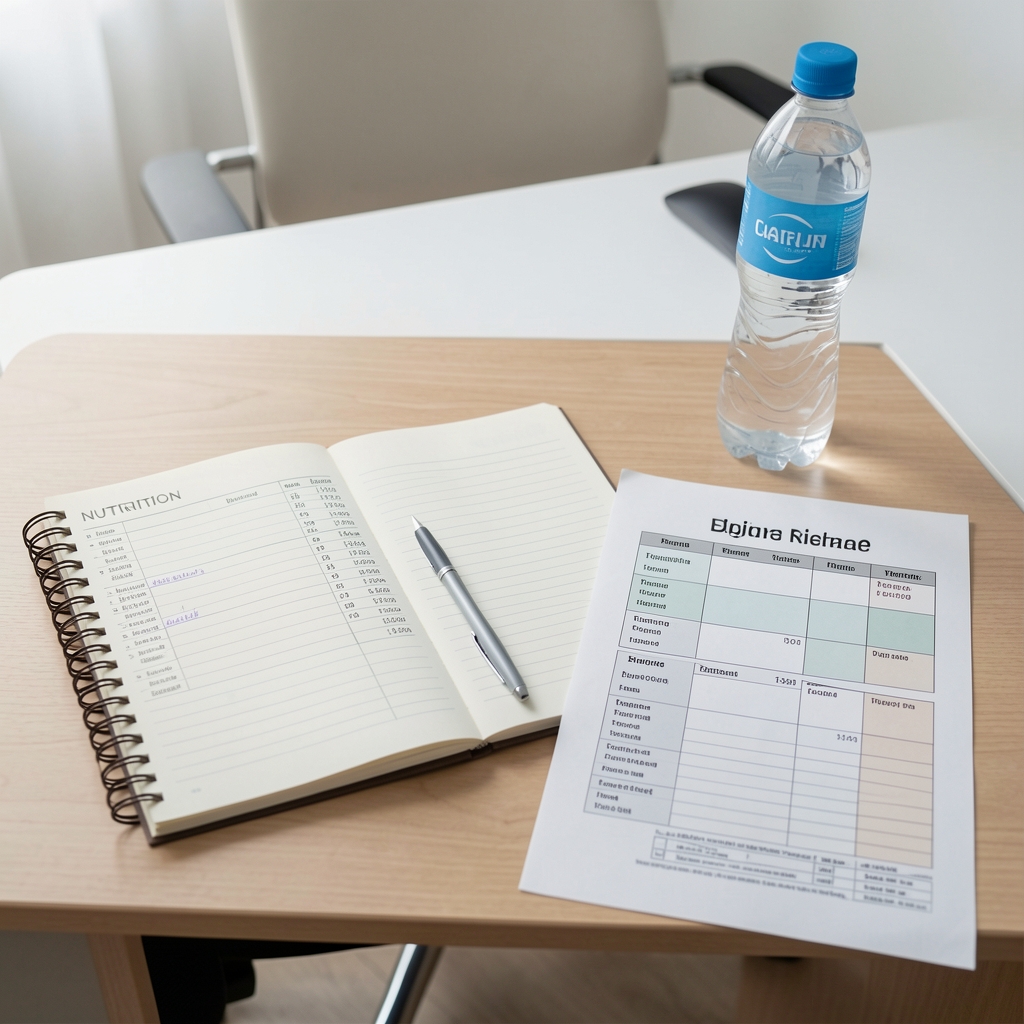
Kaltevo's approach to nutrition support is evidence-informed and practical. Rather than prescriptive meal plans, guidance focuses on principles that integrate into existing daily routines — meal timing relative to training, macronutrient distribution for performance demands, and hydration practices.
Lifestyle coaching addresses the factors outside training that influence performance: sleep quality, stress management, occupational movement patterns, and rest-day activity. These elements are discussed as part of ongoing programme reviews.
Nutrition and lifestyle guidance is included as part of all one-to-one coaching engagements. Standalone nutrition consultation sessions are also available for individuals who are not enrolled in a training programme.
Sleep Quality
Sleep hygiene recommendations aligned with training phase intensity and recovery requirements.
Hydration Habits
Daily intake targets and electrolyte considerations specific to training volume and ambient conditions.
Pre-Session Fuelling
Practical timing guidance for pre-workout food intake based on session type and duration.
Recovery Nutrition
Post-session recovery meal structure addressing protein timing and glycogen replenishment strategies.
Sport-Specific Preparation
Sports Conditioning
Sport-specific conditioning programmes are available for athletes preparing for competitive seasons, returning to activity after a lay-off, or seeking to develop physical attributes that translate directly to their sport.
Programme design accounts for the demands of the individual sport: energy system requirements, movement patterns, force production characteristics, and seasonal training calendar. Programmes are periodised to peak at the correct point in the athlete's competitive schedule.
Sports conditioning services have supported athletes in football, rowing, cycling, martial arts, and recreational running. Prior consultation with the athlete's primary coach or performance team is welcomed where applicable.
Enquire About Sports Conditioning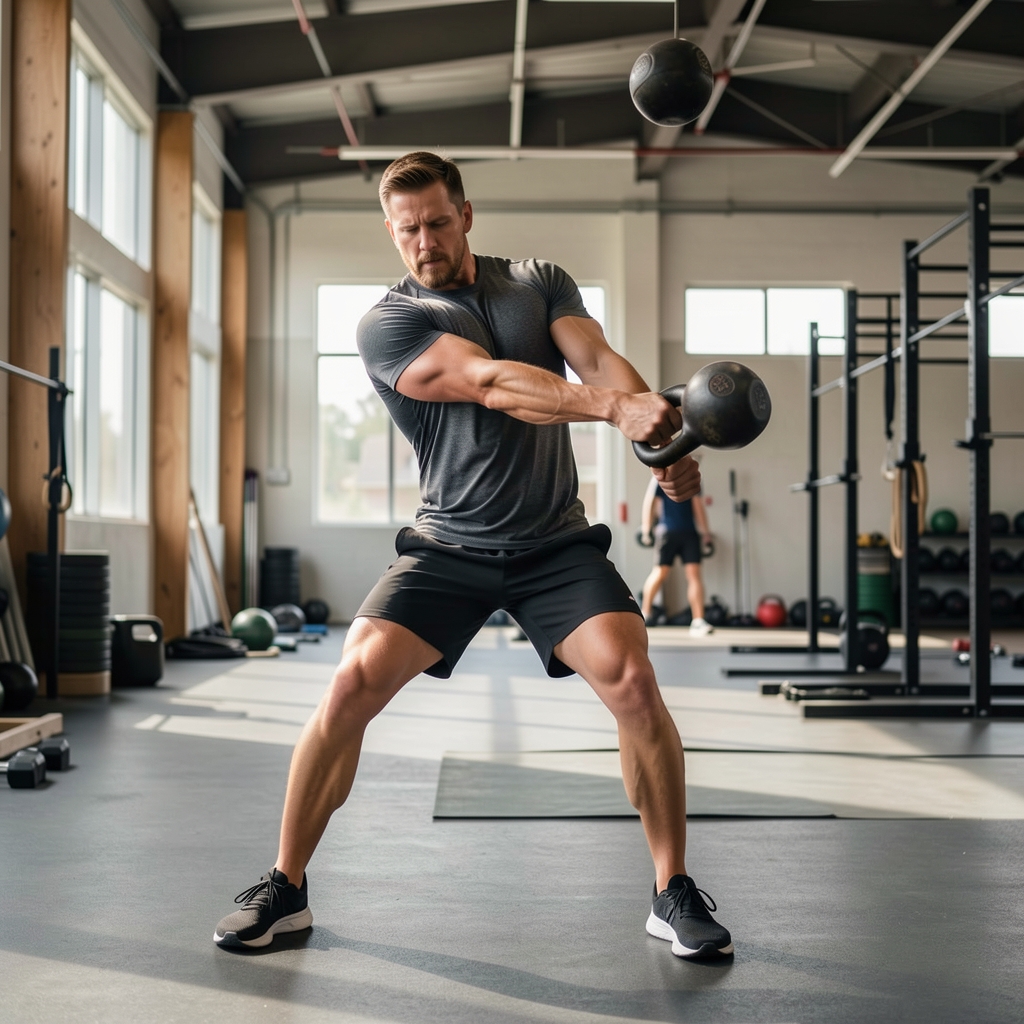
Planning Framework
Goal Setting & Workout Programming
Effective goal setting within Kaltevo programming follows a structured framework. Short-term objectives — typically covering a single training block — are linked to medium-term performance targets, which in turn connect to longer-horizon ambitions. This layered structure maintains motivation through measurable near-term progress while keeping larger objectives visible.
Workout programming extends beyond individual session planning. Weekly schedules account for training density, recovery windows, and lifestyle commitments. Programmes are delivered in written format, reviewed at each session, and updated as objectives evolve. Remote programming options are available for individuals who train independently between coached sessions.
Objective Mapping
Short, medium, and long-term goals are documented and reviewed at each block transition, with explicit links between daily training actions and larger performance ambitions.
Weekly Programme Design
Full weekly schedules are provided in written format, specifying session type, primary movements, loading schemes, and programmed rest periods. Programmes are updated every four weeks.
Remote Programming
Independent training plans for days between coached sessions or for individuals who train off-site. Programmes include exercise demonstrations, loading guidance, and session logging templates.
Start With a Consultation
The initial consultation is used to identify the most appropriate service configuration for your current situation, available schedule, and stated objectives.